Bodega La Melonera
The Ronda winery that recovered the grape phylloxera erased 150 years ago — and that makes, in our view, one of the best reds in the region.
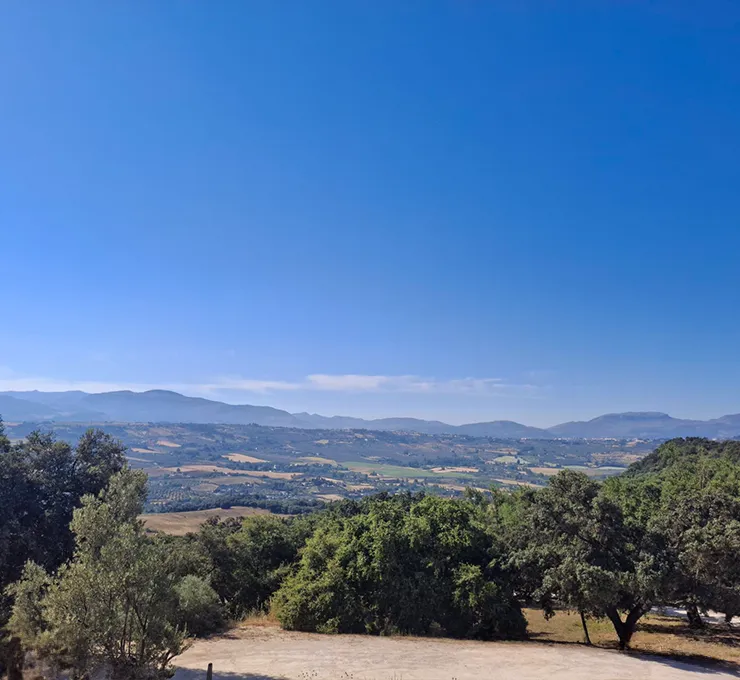
15 minutes outside Ronda, on a 200-hectare estate of holm oak and limestone scrub, La Melonera has spent two decades doing something no other Spanish winery has managed: bringing the indigenous Andalusian grapes that phylloxera destroyed in 1878 back into commercial production.
In December 2024 they bottled the proof — 360 bottles of pure Melonera, the first monovarietal of the grape in approximately 150 years. Good luck finding one. But the rest of the range is much easier to get hold of, and includes what is, in our view, one of the most accomplished reds in all of Ronda: Payoya Negra.
Founded to recover lost grapes
La Melonera was founded in 2003 by Catalan businessman Jorge Viladomiu and his cousin Javier Suqué — president of the Perelada wine group in Catalonia. The winemaker is Ana de Castro Rufián, who has led the project since the start and is the person behind the grape-recovery programme.
The mission from day one was different. Not Tempranillo, not Cabernet. The grapes that grew in Ronda before phylloxera — documented in 1807 by the Andalusian botanist Simón de Rojas Clemente y Rubio in what is regarded as the world’s first proper book of ampelography.
Plant material was sourced from the Rancho de la Merced viticultural research centre in Jerez, which had quietly preserved pre-phylloxera stock. Then came the slow work: watching how each grape behaved in Ronda’s altitude and soil, certifying the vines virus-free, and getting each variety officially registered. For the melonera grape alone, that last step took twelve years.
The grapes
This is, by some distance, the most diverse planting list of any winery in the Ronda subzone. The estate grows around 17 grape varieties across 29 small parcels, most of them indigenous to Andalusia and recovered from near-extinction.
| Category | Grapes |
|---|---|
| Recovered indigenous reds | Melonera, Blasco, Tintilla de Rota, Romé, Corchero Tinta |
| Indigenous whites | Doradilla, Quiebratinajas, Morisco, Platera, Perruna, Vijiriega |
| Traditional Andalusian whites | Moscatel de Grano Menudo, Pedro Ximénez |
| International reds | Syrah, Garnacha, Cabernet Sauvignon, Monastrell, Cariñena |
The logic is deliberate. Growing this many varieties across small parcels gives the winemaking team natural tools — acidity from one grape, structure from another — to balance the blends without correcting things in the cellar.
The melonera grape
The grape that gives the bodega its name barely exists anywhere on earth. The first scientific description came from Clemente y Rubio in 1807: medium-sized clusters, hard berries with pale grey stripes running along the skin (the name comes from the resemblance to a melon), grown in the Serranía de Ronda. Then phylloxera arrived, and by the late 1880s it was gone. For a century and a half, Clemente y Rubio’s written description was essentially all that remained of it.
There are now roughly two to three hectares of Melonera in the world. Most of them are here. DNA analysis has confirmed that a near-identical grape called Corropio survives in tiny quantities in Portugal — barely a hectare.
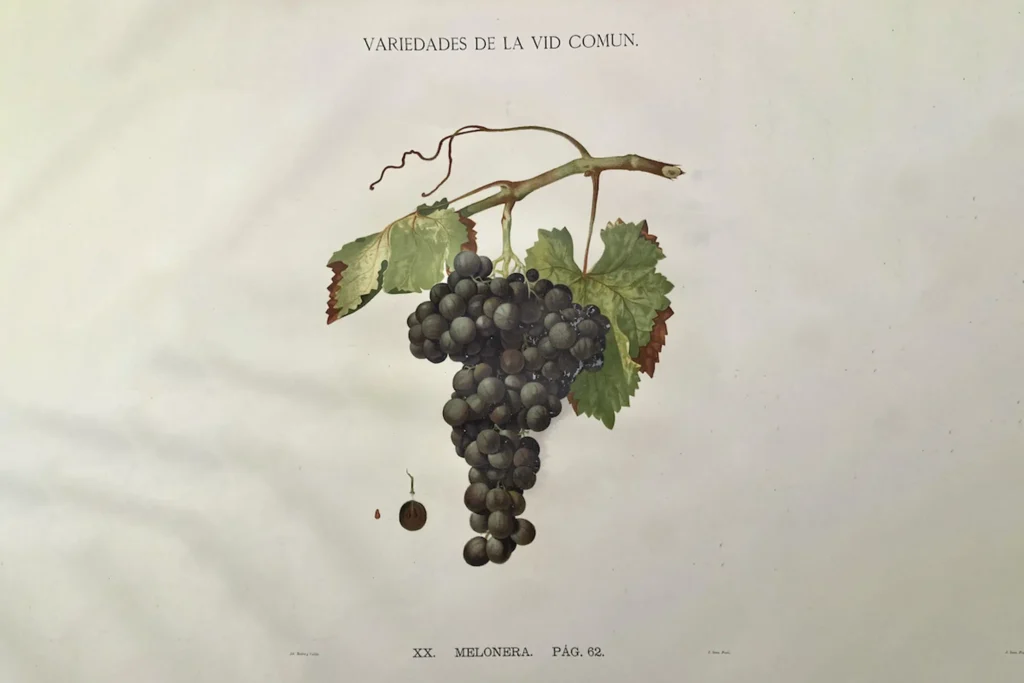
In 2024, the Junta de Andalucía formally added Melonera to the list of authorised varieties for the DO Málaga and Sierras de Málaga — making it the first practically extinct Spanish indigenous variety to be officially restored to commercial production. The monovarietal Yo Solo 100% Melonera was bottled in December 2024. 360 bottles. €85 each.
The vineyard
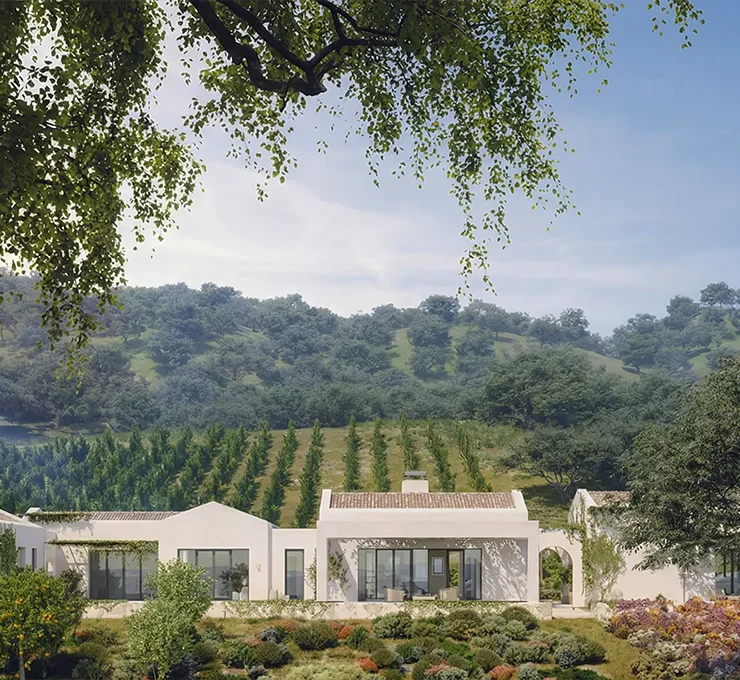
Most people hear “Andalusia” and picture scorching heat and overripe wine. La Melonera is the exception.
The vineyards sit between 650 and 940 metres above sea level on calcareous soil. The days are warm enough to ripen the grapes properly — but the nights drop sharply, with up to 20°C of difference between midday and midnight in summer. That swing is what gives the wines their freshness and natural acidity. Rainfall is around 800 mm a year, generous for southern Spain, so the vines don’t fight for water.
The result is wine that tastes nothing like the Andalusian stereotype. Which is, frankly, the whole point.
Visiting the winery
This is one of the most enjoyable wine visits in the Serranía de Ronda, and one of the easiest to recommend — whether you know wine or not.
You walk the vineyard, see the cellar properly (fermentation, barrel ageing, bottling), and hear the whole story of grape recovery and pre-phylloxera Ronda. Then you sit down to taste, paired with jamón, cheese, the bodega’s own bread and the bodega’s own olive oil — both made on the estate, from the bakery on site and the olive trees that grow between the vines.
It’s also one of the few wine tastings in the area where you genuinely come away knowing more about the history of wine in Ronda and Málaga, not just the bodega’s own line-up.
Essentials
Experiences
| Tour | Duration | Price | Includes |
|---|---|---|---|
| Classic | ~90 min | €35–45 pp | Vineyard + cellar + 3 wines + jamón, cheese, estate bread & olive oil |
| Frontones | ~120 min | €65 pp | Extended visit with access to special parcels |
Private events for groups and celebrations can be arranged direct with the bodega.
Getting there
About 15 minutes from Ronda centre on the road to Setenil. A car is essential — there is no public transport to the bodega.
- From Ronda centre: 15 minutes
- From Málaga airport: ~90 minutes via A-357 / A-367
- From Marbella: ~75 minutes via the A-397
The wines
Around 75,000 bottles a year. The range starts under €10 and finishes with a prestige red that has scored 95 points in the Peñín Guide.
La Encina del Inglés Blanco — the entry-level white, named after a 200-year-old holm oak on the estate. A blend of Moscatel de Grano Menudo, Doradilla and Pedro Ximénez — three grapes that would have been common in pre-phylloxera Ronda. Around €9.50.
La Encina del Inglés Tinto — the entry-level red of the same range. Led by Tintilla de Rota, one of the great underrated Andalusian varieties. Around €12.50, 91/100 from Falstaff.
Rondarte — a young, unoaked red, 100% Tempranillo. The easy one to open on a Tuesday.
Salinete Blanco — the more serious white in the line-up, using indigenous Andalusian whites recovered on the estate. Around €16.50.
Salinete Rosado — a fresh, easy rosé from the same series. Around €14.50.
Payoya Negra — the flagship red. Named after the Payoya, the local Serranía goat. Tintilla de Rota with Romé and Syrah, aged in oak. €23.
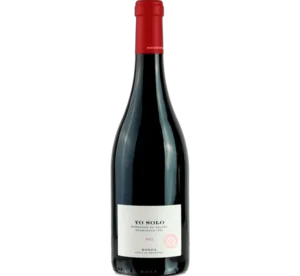
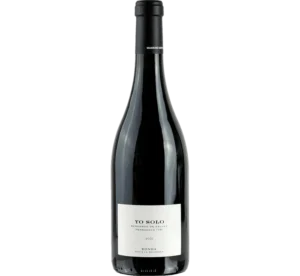
Yo Solo — the prestige red, in very small quantities. The blend varies by vintage but is always built around recovered indigenous varieties: Tintilla de Rota, Blasco and Melonera in different combinations. Up to 95 points in the Peñín Guide. Around €60.
Yo Solo 100% Melonera — the historic limited edition. The first monovarietal Melonera wine in approximately 150 years, bottled in December 2024. 360 bottles. €85.
- +34 951 19 40 18
- info@lamelonera.com
- Paraje Los Frontones, Camino Ronda–Setenil, Ronda, Málaga
Gallery


FAQ
What is the melonera grape?
It is one of the rarest grape varieties in the world — a red Andalusian grape with distinctive pale grey stripes on the berry skin, first scientifically described in 1807 and virtually wiped out by phylloxera in 1878. After 18 years of recovery work by La Melonera, it was officially reinstated as a commercial variety in Spain in 2024. There are roughly two to three hectares of it in the entire world.
Is La Melonera worth visiting?
Yes — easily one of the best wine experiences in the area. Small groups, knowledgeable English-speaking guides, and a tasting paired with jamón, cheese, and the bodega’s own bread and olive oil produced on the estate. The €35–43 Classic tour is the natural place to start.
What's the best La Melonera wine to start with?
Payoya Negra. The winery’s most consistent performer — 91 to 93 points from Peñín, gold at the Challenge International du Vin, €23 from the bodega. Outstanding value. For something rarer, Yo Solo is the prestige bottling, scoring up to 95 points and made in very limited quantities.
How do I get to La Melonera?
You need a car — there is no public transport. 15 minutes from Ronda centre, around 90 minutes from Málaga airport, and 75 minutes from Marbella via the A-397.
Can I buy La Melonera wines in the UK?
UK distribution is patchy. The bodega’s range is handled by Grupo Perelada for export, but UK retail listings are rare — Wine-Searcher is the best place to check current availability. The realistic route is direct from the bodega or a case bought on a visit.