The wines of Andalusia

Andalusia makes at least three completely different wines: sherry aged under a veil of yeast, dry mountain reds grown at 1,000 metres, and sweet Moscatel dried in the sun. Most guides only tell you about the first one.
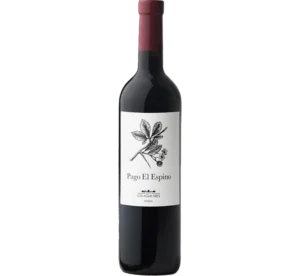
Pago El Espino Wine Bottle

Pago El Espino

Cortijo Los Aguilares
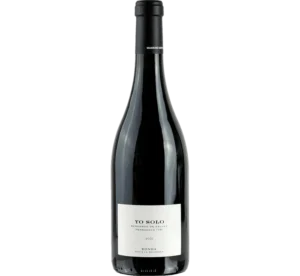
yo solo 100 melonera la melonera wine

Yo Solo 100% Melonera

Bodega La Melonera
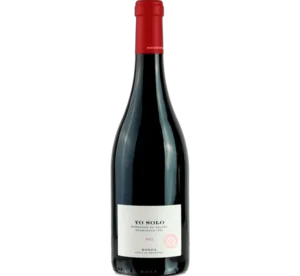
yo solo la melonera wine

Yo Solo

Bodega La Melonera

One name, three different wines

40,000 hectares of vines, six protected designations, and no agreement whatsoever on what wine should be. That’s Andalusian wine in one sentence. Here’s the map in three:

Fortified & flor-aged

Jerez, Montilla-Moriles, Condado de Huelva. Fino, manzanilla, amontillado, oloroso — wines aged under a living layer of yeast or in slow contact with air. In Montilla, the sun does the fortifying: the wines reach 15% naturally.

Mountain reds & whites

The Serranía de Ronda, within D.O. Sierras de Málaga. Thirty bodegas at 700–1,000 metres making dry table wines — Petit Verdot, Pinot Noir, recovered pre-phylloxera grapes — with a freshness the south isn’t supposed to have.

Sun-dried & sweet

Moscatel and Pedro Ximénez grapes are laid out on esparto mats and dried under the sun until the sugar concentrates. The result runs from young golden Moscatel to raisin-dark trasañejo: wines nearly erased by phylloxera, now making a quiet comeback.

The regions

Andalusia's wine region is a family argument played out across eight provinces—coast versus mountains, flor versus oxygen, dry versus sweet. We're covering it one denomination at a time.

Ronda

Málaga

Montilla-Moriles

Condado de Huelva

FAQ

What wine is Andalusia famous for?

Sherry, from D.O. Jerez-Xérès-Sherry on the Atlantic coast of Cádiz — fino, manzanilla, amontillado, oloroso and sweet Pedro Ximénez. It’s one of the world’s original fortified wines and still Andalusia’s biggest name. It’s also only part of the story.

Yes, and they’re the region’s best-kept secret. The Serranía de Ronda, inside D.O. Sierras de Málaga, produces dry reds and whites at 700–1,000 metres of altitude, and Montilla-Moriles makes its fino-style wines without fortification at all — the grapes reach 15% alcohol naturally.

Six protected designations: Jerez-Xérès-Sherry, Manzanilla de Sanlúcar, Montilla-Moriles, Condado de Huelva, Málaga, and Sierras de Málaga. Each has its own grapes, styles, and stubborn opinions. Our region guides cover them one by one.

Depends what you drink. If you like crisp dry whites, start with a chilled fino or manzanilla. If you drink reds, try a Ronda wine — Petit Verdot is the local flagship. For dessert, a Málaga Moscatel or a Pedro Ximénez. Our wine list only includes bottles we’d recommend without hesitation.

Palomino, Pedro Ximénez, Moscatel and Zalema dominate the classic regions. Ronda adds Petit Verdot, Pinot Noir, Syrah and Cabernet Sauvignon — plus recovered pre-phylloxera natives like Tintilla de Rota and Romé that grow almost nowhere else.