A list of the best Spanish wines, chosen by a Spaniard
I live and work in wine in the south of Spain, and this is the list I’d give a friend who asked what’s worth buying. The names everyone knows are here — Rioja, Ribera, a good cava — but so are one or two bottles you’ll only ever find near the bodega.
It’s deliberately short. Lists of 25 wines are easy to write and useless to read — by the end, you’ve recommended everything and said nothing. Ten bottles. Each one earns its place by representing something genuinely interesting about a region, a grape, or a style.
| Wine | Style | Region | Price |
|---|---|---|---|
| Vega Sicilia Único | The icon | Ribera del Duero | ~€450–600 |
| Pintia | The accessible icon | Toro | ~€35–45 |
| CVNE Imperial Reserva | The classic Rioja | Rioja | ~€25–30 |
| La Rioja Alta 904 Gran Reserva | The benchmark | Rioja Alta | ~€55–70 |
| Álvaro Palacios L'Ermita | The prestige pick | Priorat | ~€400–600 |
| Muga Prado Enea Gran Reserva | The aged Rioja | Rioja Alta | ~€45–55 |
| Do Ferreiro Cepas Vellas | The white | Rías Baixas | ~€25–30 |
| Clos Mogador | The artisan pick | Priorat | ~€60–70 |
| Can Blau | The value pick | Montsant | ~€12–15 |
| Yo Solo | The hidden gem | Ronda | ~€60–80 |
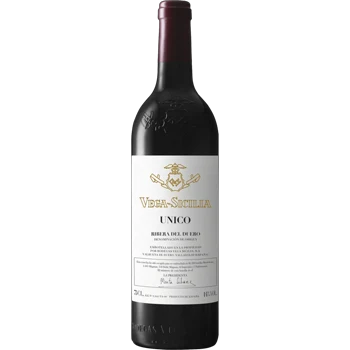
Vega Sicilia Único
Region: Ribera del Duero
Grapes: Tempranillo, Cabernet Sauvignon, Merlot
Price: ~€450–600
Ask a Spaniard to name the best wine in the country and there’s a good chance they say Vega Sicilia Único. It’s been made at the same estate since 1864 and isn’t released until the winery decides it’s ready — usually ten years of ageing, sometimes more.
Tempranillo with a little Cabernet and Merlot, grown on the high Castilla y León plateau where brutal winters and big day-to-night temperature swings give the grapes ripeness and acidity at once. Dark and deeply layered — dried fruit, leather, tobacco, cedar — with a finish that runs on for an unreasonable length of time.
Not a Tuesday-night bottle. But if there’s an occasion on the horizon and you want to understand the fuss about Spanish fine wine, start here.
Can’t stretch to €450? The next wine is from the same family, costs a fifth of the price, and makes a different but equally serious case for them.
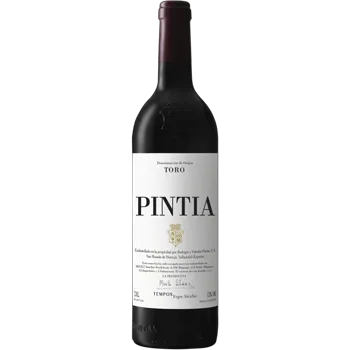
Pintia
Region: Toro, Castilla y León
Grapes: Tinta de Toro (100%)
Price: ~€35–45
Pintia is what happens when the Vega Sicilia family gets hold of Toro — a region built on Tinta de Toro, genetically identical to Tempranillo but grown lower and turned into something far more powerful.
Not a delicate wine. Dark, rich, oaky, extracted — wood and structure up front, with a savoury weight that catches people out. Give it time in the glass, and a few years in the rack if you can.
At €35–45 it’s one of the most convincing cases for Spanish wine under €50. If you like wines with some grunt — what we call vinos de pelo en pecho, literally “chest-hair wines” — Pintia delivers.
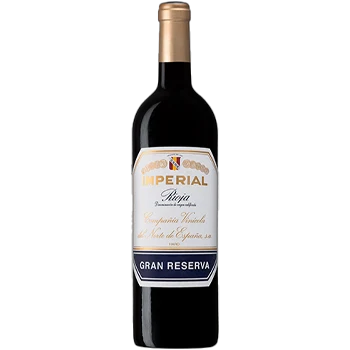
CVNE Imperial Reserva
Region: Rioja
Grapes: Tempranillo, Mazuelo, Graciano
Price: ~€25–30
Rioja is what most people picture when you say Spanish red wine, and CVNE Imperial is one of the best arguments for why. CVNE (you say it “Cune”) has made wine in Haro since 1879. The Imperial Reserva is the flagship — two years in American oak, then bottle time before release.
What you get is that hard-to-replicate Rioja quality: red fruit, vanilla, cedar, a gentle tobacco note, and a softness that only proper barrel time gives. Not heavy. Elegant, long, consistent year after year.
At €25–30 it’s also one of the best value bottles in Spain. If someone asked us for a single wine to represent classic Spanish red to a newcomer, this is probably the one.
If you want to go deeper on Rioja specifically, we have a full guide to the best Rioja red wines.
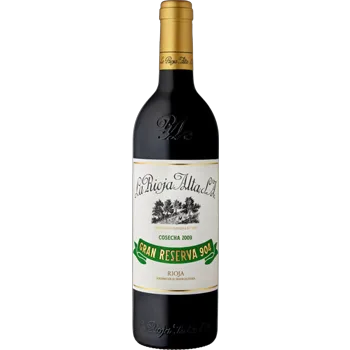
La Rioja Alta 904 Gran Reserva
Region: Rioja Alta
Grapes: Tempranillo, Graciano
Price: ~€55–70
Some wines become reference points. La Rioja Alta 904 is one of them.
It was €30–35 not long ago and it’s nearly double that now. Still worth it, because the 904 represents a standard of classical Rioja very few bodegas still bother with: proper Gran Reserva discipline, long ageing in American and French oak, and bottle time before release that most producers have quietly dropped for faster turnover.
The result is complete composure. Dried cherries, cedar, leather, an elegant tobacco note. The tannins are resolved to the point you barely notice them. It drinks as if it’s been waiting for you.
There’s a reason it tops every serious Spanish wine list. It’s the benchmark other Riojas are measured against, and it earns that across vintages. We’d put it in the top five fine Spanish wines made today, at any price.
One note: the 904 and the Muga Prado Enea below are not the same wine. The 904 is tighter, more mineral, more classically built. Prado Enea is rounder and more generous. If you can manage both, it’s an education.
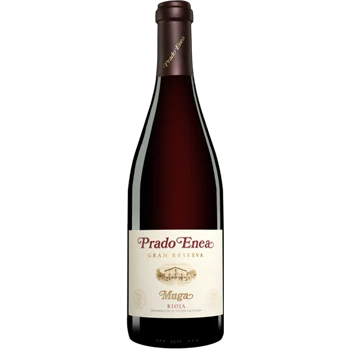
Muga Prado Enea Gran Reserva
Region: Rioja Alta
Grapes: Tempranillo, Garnacha, Mazuelo, Graciano
Price: ~€45–55
If Imperial gets you into classic Rioja, Prado Enea is what you open once you’re ready to go further. Bodegas Muga still makes its own barrels in Haro — one of very few wineries anywhere that does — and Gran Reserva here means at least three years in oak and three more in bottle. Often more.
In the glass it’s a wine that seems impossibly calm for something so complex: dried red fruits, leather, a whisper of vanilla, a gentle earthiness that only age gives. The tannins are completely resolved. The Peñín Guide has scored it 95+ across multiple vintages; Wine Spectator has put it in its Top 100.
And unlike Vega Sicilia, it’s actually affordable for a special occasion.
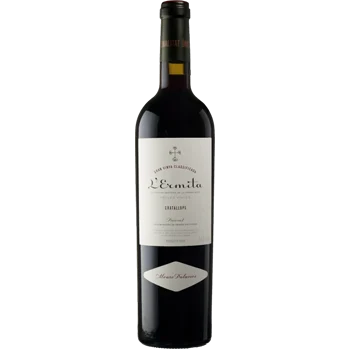
Álvaro Palacios L'Ermita
Region: Priorat
Grapes: Old-vine Garnacha
Price: ~€400–600
Fair warning: this one is expensive. It’s here because L’Ermita put Priorat on the map, and Priorat is arguably the most exciting wine region in Spain right now.
Álvaro Palacios arrived in Gratallops in 1989, when Priorat was unknown outside Catalonia. L’Ermita comes from a single tiny plot of Garnacha — some vines over 100 years old — on near-vertical terraces of llicorella slate. The yields are absurdly low. The wine is concentrated, mineral and precise in a way only old-vine Garnacha on this soil manages.
If €500 is too much (entirely reasonable), look at Palacios’ Camins del Priorat at €15–18. Same region, same philosophy, a fraction of the price — and it overdelivers.
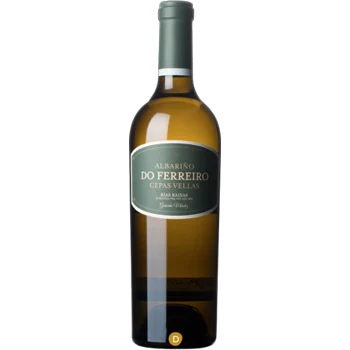
Do Ferreiro Cepas Vellas
Region: Rías Baixas, Galicia
Grapes: Albariño
Price: ~€25–30
Spanish wine conversations are dominated by reds, which is a pity, because the Albariños coming out of Rías Baixas are extraordinary. Do Ferreiro’s Cepas Vellas (“old vines”) is made from Albariño up to 200 years old — some pre-phylloxera — which is basically unheard of for this grape.
Dry, mineral, precise: green apple, white peach, a saline freshness off the Atlantic. But with a texture and depth most Albariños at this price simply don’t have. More serious, more layered, and it ages far better than the fresh young style most producers release.
If you think Spanish wine means red wine, this bottle will change your mind.
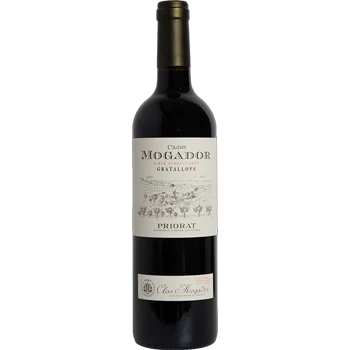
Clos Mogador
Region: Priorat
Grapes: Garnacha, Cariñena, Syrah, Cabernet Sauvignon
Price: ~€60–70
René Barbier was one of five winemakers who arrived in Priorat in the late 1980s and built the modern scene there from scratch. Clos Mogador is his flagship, and it’s been one of Spain’s most acclaimed wines for three decades.
Garnacha and Cariñena with a little Syrah and Cabernet, aged in French oak. The llicorella slate gives it that distinctive mineral, almost graphite quality that defines Priorat: dark fruit, wild herbs, a smoky intensity, tremendous length. Not a shy wine.
Some professionals say — seriously — that this would be their one bottle on a desert island. We understand the impulse. Wine Spectator rated the 2019 vintage 97 points. If you want to know why Priorat gets mentioned alongside Burgundy or the Rhône, this is the bottle.
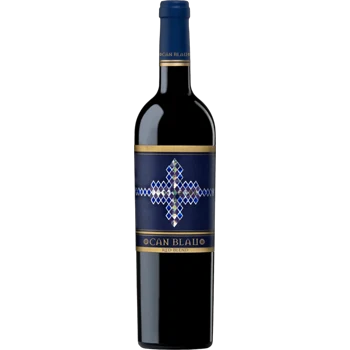
Can Blau
Region: Montsant
Grapes: Cariñena, Garnacha, Syrah
Price: ~€12–15
Montsant wraps around Priorat and shares much of its character — old vines, slate and clay-limestone soils, the same warm dry climate — without the price tag. Can Blau is the clearest illustration.
Cariñena gives backbone and dark fruit, Garnacha adds weight and aroma, a touch of Syrah. Aged in French and American oak, it comes out dark and spiced, with blue and black fruit and enough structure to improve over a year or two. At €12–15 it has no business being this good.
For context, this is a region where €20–25 already feels like value, and Can Blau routinely outperforms bottles twice its price. Ask us for a reliable, interesting everyday Spanish red and this is the one we give.
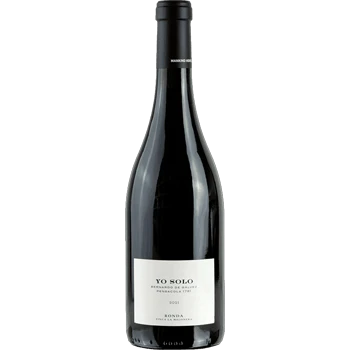
Yo Solo
Region: DO Sierras de Málaga
Grapes: Tintilla de Rota, Romé
Price: ~€60-80
This is the one on the list we’d be surprised you’d heard of. Around 350 bottles a year. It won’t be at your local shop — the best place to find it is direct from the winery.
What makes Spanish wine so interesting
Spain has more vineyard land than any country on earth — more than France, more than Italy — but makes less wine by volume, because most of its best regions sit at 600–900 metres. The vines work harder, yields drop, and the swing between hot days and cold nights gives grapes ripeness and acidity at the same time.
Spain also has around 400 native grape varieties, most of which the rest of the world has never met. Tempranillo gets the attention (fairly — it’s excellent), but producers are quietly reviving near-extinct grapes: Maturana Tinta in Rioja, Bruñal in the northwest, the indigenous varieties around Ronda. The next decade of Spanish wine is going to be interesting.
How to read a Spanish wine label
Four terms that actually matter:
DO / DOC / DOP — Denominación de Origen. Region of origin and quality classification. DOC (or DOCa) is the higher tier — only Rioja and Priorat hold it.
Crianza — minimum 24 months ageing, at least 6 in oak. Usually a producer’s entry-level aged wine.
Reserva — minimum 36 months, at least 12 in oak. More complexity, more age.
Gran Reserva — minimum 60 months, at least 18 in oak. Only made in the best years.
One thing worth knowing: the categories don’t tell the whole story. A young Joven from a serious producer in a great region can beat a Gran Reserva from a bodega just ticking regulatory boxes. Use the classification as context, not verdict.
What is the best Spanish wine?
There’s no single answer, but Vega Sicilia Único is the wine most consistently named as Spain’s finest by critics and collectors — made at the same Ribera del Duero estate since the 1860s and typically aged a decade before release. For something more accessible, CVNE Imperial Reserva from Rioja gives outstanding quality at a fair price.
What are the most famous Spanish wines?
Rioja is the most famous and the best-selling Spanish wine by far, with CVNE, Muga and La Rioja Alta among its classic names. Beyond it, Vega Sicilia is the most celebrated single estate, and Priorat’s L’Ermita and Clos Mogador are the famous modern icons. Fame and quality usually overlap here — but not always, which is the point of this list.
What is the best Spanish red wine under €100?
La Rioja Alta 904 Gran Reserva (~€55–70) is the answer most serious Spanish wine professionals give — a benchmark classical Rioja with rare composure at the price. Clos Mogador from Priorat (~€60–70) is the pick if you want something more modern, mineral and concentrated. Both are exceptional and sit at the two poles of Spanish fine wine.
What is the best Spanish white wine?
Do Ferreiro Cepas Vellas from Rías Baixas — old-vine Albariño with a depth and precision most whites at the price can’t match. For everyday drinking, any young Albariño from Rías Baixas or Verdejo from Rueda serves you well at €10–15.
What Spanish wine regions should I know beyond Rioja?
Priorat is the most important — old-vine Garnacha and Cariñena on slate, producing some of Spain’s most serious age-worthy reds. Ribera del Duero for Tempranillo at its most structured. Rías Baixas for Atlantic whites. And for something genuinely unfamiliar, Ronda in Andalusia: high-altitude vineyards, indigenous grapes, and producers starting to attract serious attention.
What is the best cheap Spanish wine?
Can Blau from Montsant at €12–15 consistently outperforms bottles twice its price. For a broader selection, see our full guide to the best cheap Spanish wines — 10 bottles under €15 that all earn their place.
Is Rioja really the best wine in Spain?
The top Riojas are among Spain’s finest, but they aren’t the whole picture. Priorat rivals anywhere in Europe for intensity and terroir. Ribera del Duero has Vega Sicilia. Rías Baixas makes world-class whites. And producers in Bierzo, Toro and Ronda are making important wine most lists haven’t caught up with. Rioja is the best-known Spanish wine — which isn’t the same as the best.