Ronda wineries worth your time

This is every winery worth visiting — what makes each one different, what a visit costs, and how to book.

What makes Ronda wine unlike anything else in Andalusia

Fourteen kilometres north of here, a Roman city called Acinipo minted coins stamped with grape clusters in the 1st century BC. Wine has been made in these mountains longer than most European regions have existed.

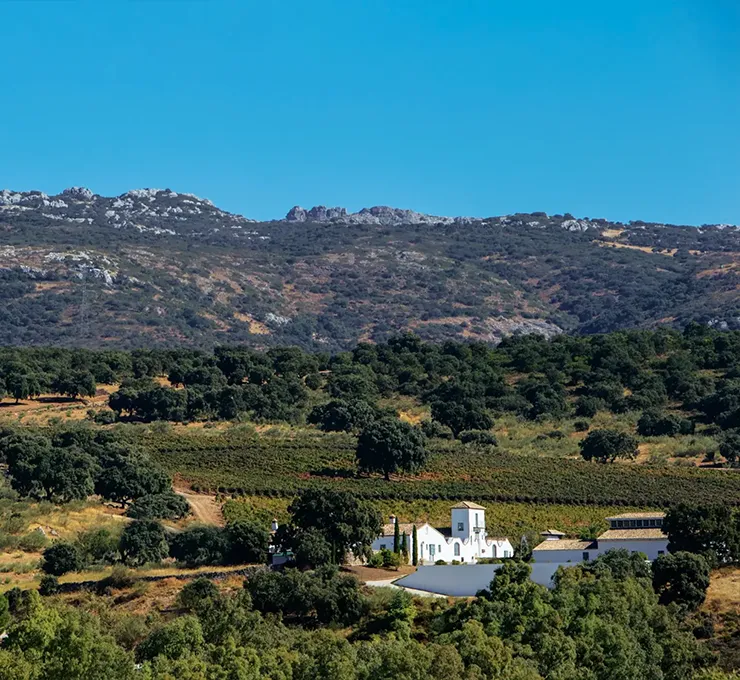
The highest vineyards in Andalusia

700–1,000 metres above sea level. Hot days, cold nights, thin limestone soil — the same geology as Chablis and Champagne.

A wine region barely 40 years old

The first modern vines went in in 1982. The DO came in 2001. Ronda is still finding out what it can do — and already winning gold in Paris while it does.

Grapes found nowhere else

Several bodegas here have brought back native varieties that died in the phylloxera plague. One of them exists on barely two hectares in the entire world.

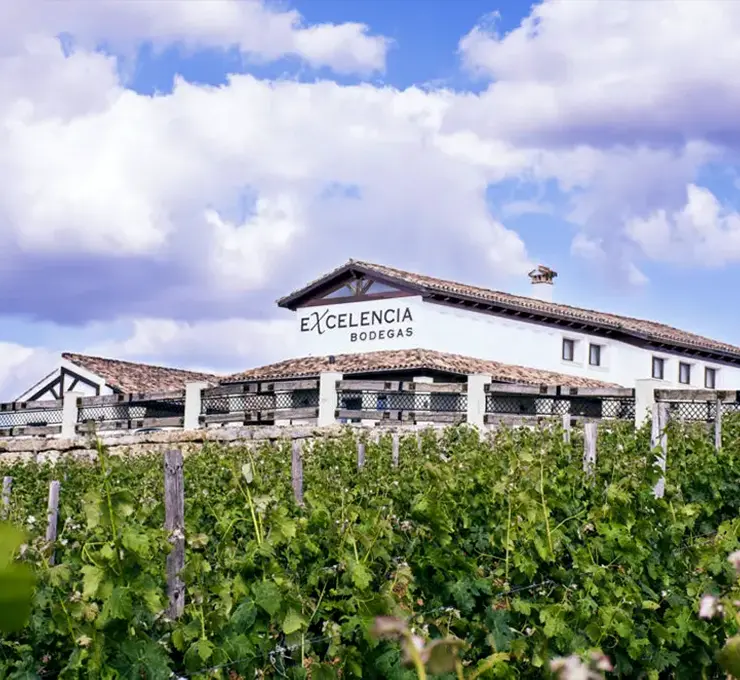
Bodegas Excelencia winery in Ronda

Bodegas Excelencia

Wine made at the literal edge of the Roman ruins. Excelencia sits at 870 metres directly beside the Acinipo archaeological site, its cellar cut seven metres into the hillside. Juan Manuel Vetas, who trained in Bordeaux, brought red wine back to Ronda here in 1991. The flagship is Los Frontones, a four-grape crianza.

The obvious move: pair the visit with a morning at the Roman theatre on the same hill. Tours start at €25, or €50 with lunch.

Bodegas F. Schatz

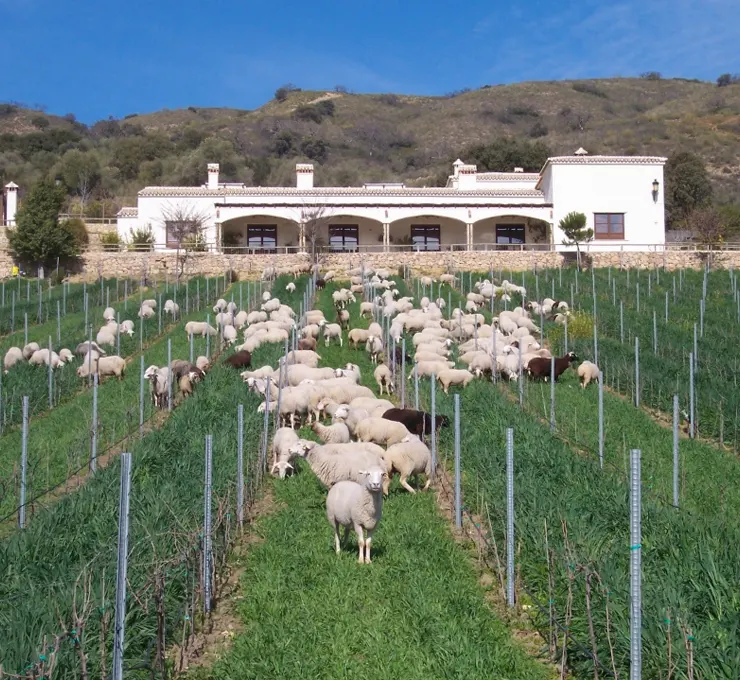
The one that started it all. Friedrich Schatz arrived from Germany in 1982, planted three hectares above Ronda, and built the first certified organic winery in Málaga province — when Ronda had no wine industry at all. His wines carry no added sulphites yet age for years, and two of his grapes grow nowhere else in Spain.

Visits are small and by appointment, usually led by Federico himself: a walk through the vineyard and cellar and a tasting of four wines, about ninety minutes. This is the historical root of the entire region.

Vineyard of Bodega F. Schatz in Ronda, Spain
Bodega La Melonera in Ronda, Spain

La Melonera

The only place on earth growing the Melonera grape — a striped-skinned Andalusian red that died out in the 1878 phylloxera plague and survived for 150 years as a single written description. It took 18 years of recovery work and twelve years of paperwork to bring it back; in December 2024, La Melonera bottled the first 100% Melonera wine in roughly a century and a half. Two kilometres from the Acinipo ruins, the estate runs what is effectively a conservation project for lost native grapes alongside a serious commercial winery.

The visit is one of the best in Andalusia — small English-language groups, a proper food pairing of jamón, cheese and olive oil, and guides who know the science.

Other wineries and vineyards worth knowing

Cortijo Los Aguilares Winery in Ronda, Spain

Cortijo Los Aguilares

Ronda
Bodega Doña Felisa in Ronda, Spain

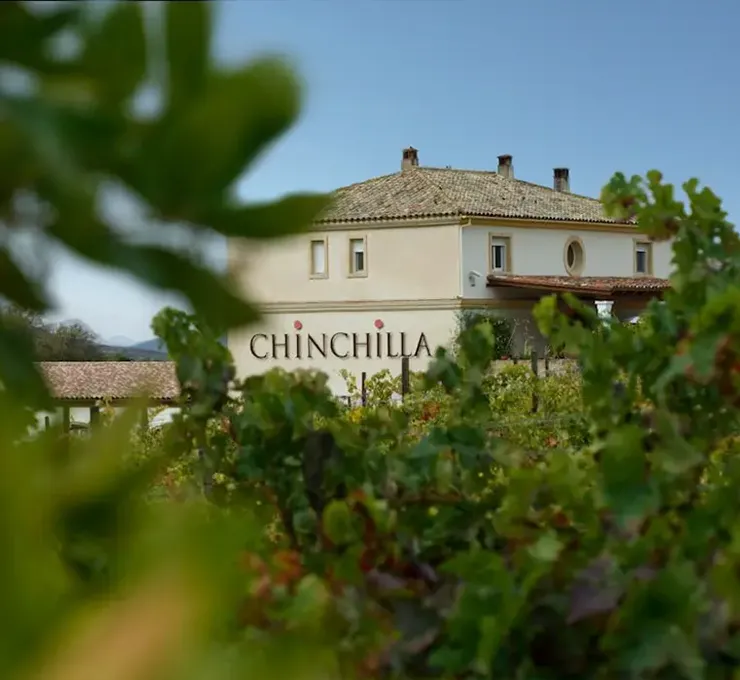
Bodega Doña Felisa – Chinchilla

Ronda
Bodega Vetas in Ronda, Spain

Bodega Vetas

Ronda
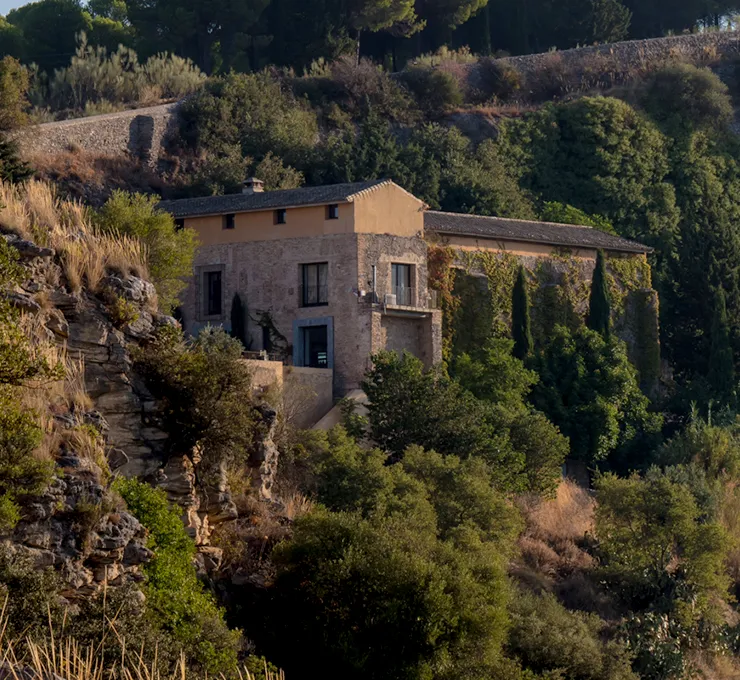
Bodega Descalzos Viejos in Ronda, Spain

Bodega Descalzos Viejos

Ronda
Winery Los Frutales in Bodega Joaquín Fernández

Bodega Joaquín Fernández

Ronda

What a visit to a Ronda winery is actually like

A standard visit runs 1–2 hours and costs €25–50pp. You’ll usually get a walk through the vineyard, a look at the cellar, and a tasting of four to five wines with local tapas — jamón, Payoyo cheese, olive oil. Most are led by the family or the winemaker, not a hired guide, so ask questions: about the altitude, the native grapes, why the harvest happens at night.

Ronda wine tourism: making a trip of it

The bodegas are the reason to come. They’re not the whole day.

Everything sits within half an hour of everything else, which is what makes Ronda wine tourism so easy. A morning at one winery, lunch in the old town, an afternoon at the Roman theatre of Acinipo — where this whole trade started two thousand years ago. The town earns its own time, too: two Michelin stars in the old quarter, and a wine list at Bardal built specifically around the Serranía.

Most people give Ronda a single day trip from the coast. The wine rewards two — one for the bodegas, one for the town and the ruins. And the bottle you carry home always tastes better for the drive it took to find it.
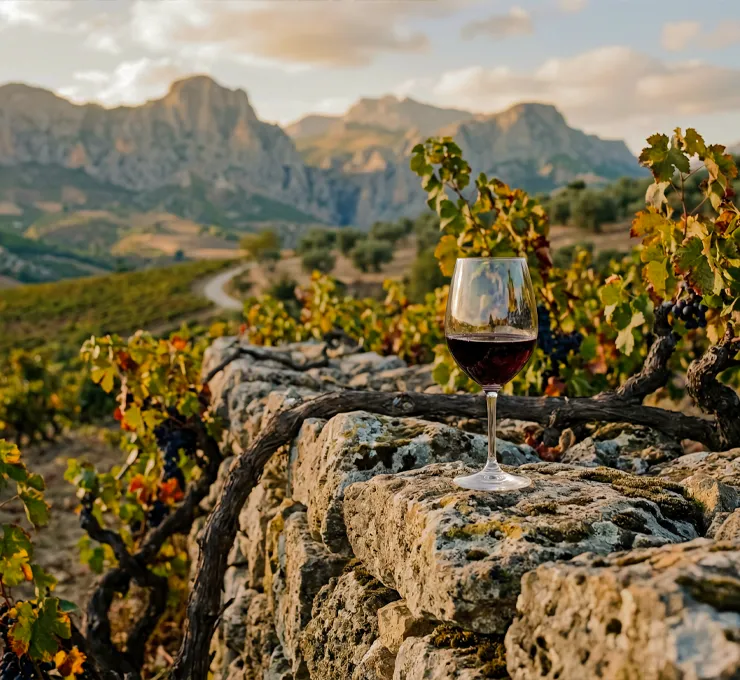
A wine glass at a vineyard in Ronda, Spain

How to plan your visit

Coming from Marbella or Málaga without a car

Almost every bodega needs a car, so book an organised tour with transport — roughly €100–180pp including pickup. Day trips work from Málaga (1h30), Marbella (1h20) and Seville (under 2h).

Ronda with your own car (half or full day)

Cluster by geography. North, near the ruins: Bodegas Excelencia → La Melonera → the Acinipo site, easily a morning. Closer to town: Cortijo Los Aguilares (10 min) plus Descalzos Viejos (5 min). Pick one bodega per half-day if you want time to taste properly — two is the sensible maximum in a day.

A day trip in Ronda without your own car

Descalzos Viejos is a 25-minute walk down from the old town (taxi back up — it’s steep). Or skip the drive entirely: the wine bars in the old town pour the whole region by the glass.

FAQ

How much does a winery visit in Ronda cost?

Most cost €25–50 per person, including a vineyard walk, cellar tour and a tasting of four to five wines with local tapas. The cheapest serious option is Bodegas García Hidalgo, from around €10. Organised day tours from Málaga or Marbella with transport run €100–180 per person.

September during the harvest (vendimia) is ideal — you may be able to join the picking, and the vineyards are at their most photogenic. April to May is also excellent: mild temperatures, green countryside, fewer visitors. Avoid July and August if possible. Winter is underrated — cold, quiet, and the winemakers are far more available.

Descalzos Viejos is the only bodega genuinely walkable from town — about 25 minutes downhill (take a taxi back). For the rest, book an organised tour with transport from Málaga or Marbella. Or stay in the old town, where the wine bars pour the whole region by the glass.

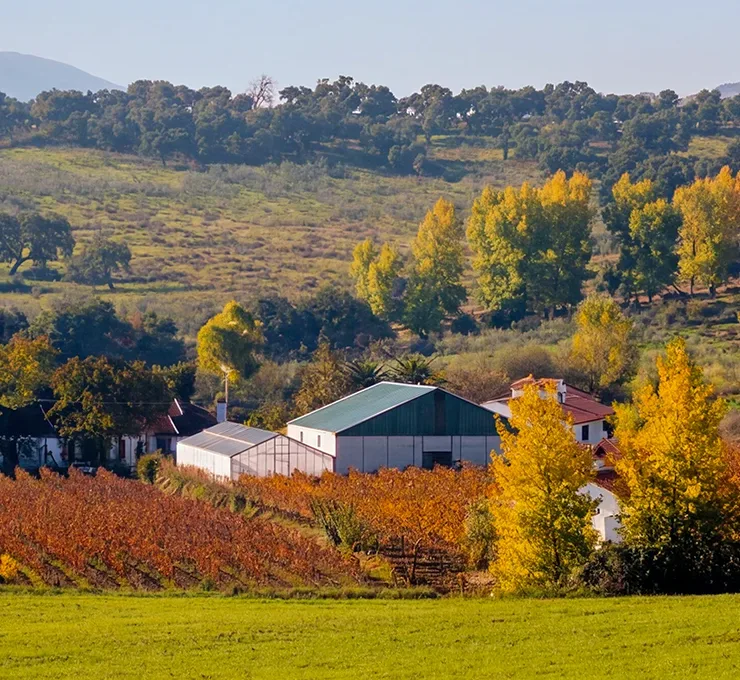
The vineyards of the Serranía de Ronda sit between 600 and 1,000 metres above sea level — higher than almost any other wine-producing area in Spain. The landscape is nothing like the flat, industrial vineyards of La Mancha or the Rioja plain. Here you get rocky limestone hillsides, scattered holm oaks, and vines that have to work hard in thin soils. Most plots are small and hand-harvested. The highest vineyard in the region, Finca Ronda La Vieja at Bodegas Lunares, sits at 1,000 metres near the ruins of the Roman city of Acinipo. Visiting in late September during the harvest, when the leaves are turning and the grapes are being picked, is the best way to see them at their most vivid.

The Serranía de Ronda has approximately 20–23 active wineries, of which around 16–18 welcome visitors by appointment. The broader DO Sierras de Málaga covers around 40–45 producers across Málaga province. Modern winemaking in Ronda only began in 1982 when Friedrich Schatz planted the first vines; the DO was established in 2001.

For the most extraordinary setting, Descalzos Viejos (the 16th-century convent). For the best story, La Melonera and the grape that came back from extinction.

Yes — almost always. Most Ronda bodegas are small family operations and won’t accept walk-ins. Book at least a week ahead, and three weeks ahead in high season (April–June, September–October). The main exceptions are Bodega Doña Felisa (daily tours at 11:30, no reservation required) and the Museo del Vino in Ronda’s old town.